

Kaasinos myths compared with real probability
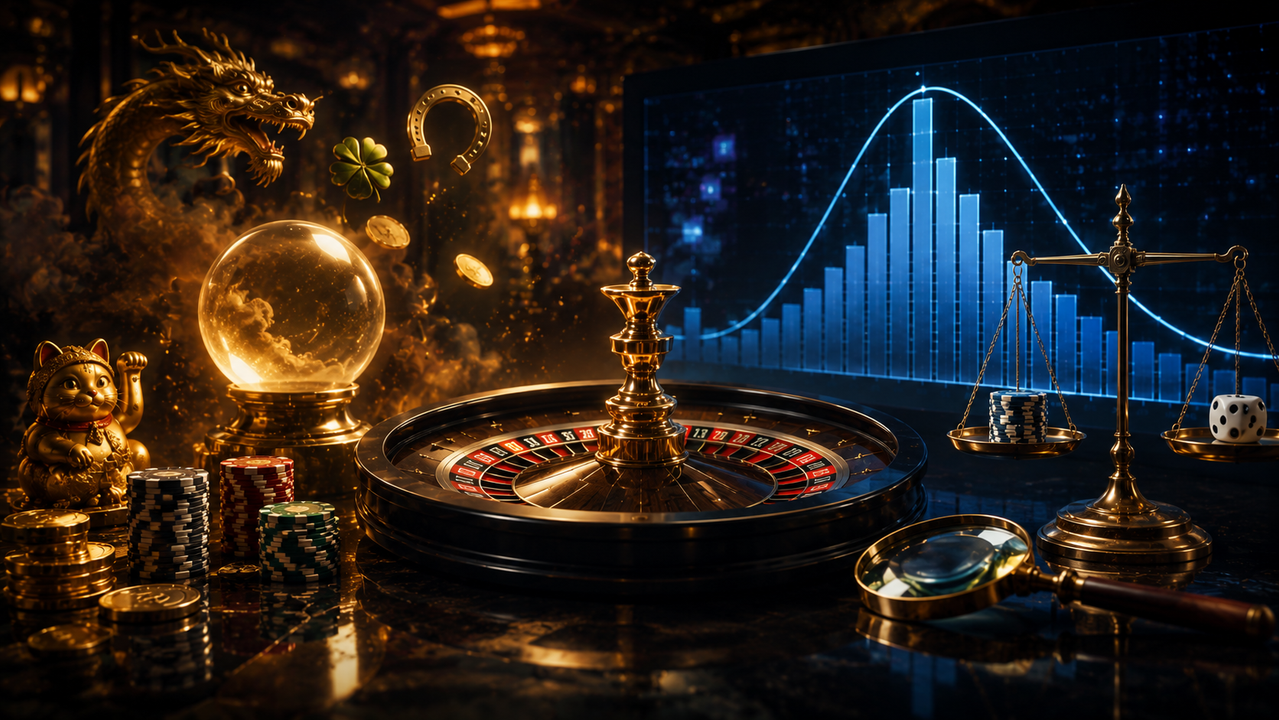
Luck or Logic
Many players walk into a casino with ideas that sound true because they get repeated so often. People talk about lucky streaks, cursed machines, and secret systems that supposedly beat the house. These stories spread fast because gambling creates strong emotions. A big win feels meaningful. A long losing session feels personal. The brain naturally tries to connect random events into patterns.
The reality works very differently. Casino games rely on mathematics and probability instead of emotion or memory. Slot games use Random Number Generators. Every spin starts fresh. Previous outcomes do not change future results. A machine that has not paid for hours does not suddenly become “ready” to reward the next player. The same chance exists on every spin. Experts and gaming regulators confirm this constantly.
Many players discover these facts while reading guides on sites like kaasino casino
platforms that explain how modern online games actually function. Understanding probability changes the entire gambling experience. Players stop chasing imaginary signals and start focusing on entertainment, bankroll control, and realistic expectations.
The Truth About Hot Streaks
One of the oldest casino myths says that winning streaks or losing streaks predict what happens next. Players often believe a slot becomes “hot” after several wins. Others think a machine must eventually pay after a long cold period. This belief feels logical because people expect balance in short sessions. Real probability does not work that way.
Every spin on a regulated slot game acts independently. The system does not remember what happened ten seconds earlier. A jackpot yesterday does not reduce the chance of another jackpot today. Many gambling experts explain this through Random Number Generators. These systems continuously create random combinations. Outcomes appear instantly when the player presses spin.
This misunderstanding creates dangerous habits. Some players stay too long because they believe a payout is “close.” Others leave winning games because they think luck has already been used up. Both reactions ignore mathematics. Probability stays consistent regardless of recent outcomes. Casinos benefit when players misunderstand this concept because emotional decisions often lead to longer sessions and larger losses.
Skill Versus Pure Chance
Another common myth claims that all casino games depend entirely on luck. This idea sounds simple but ignores important differences between game types. Slots mostly rely on chance. Roulette also depends heavily on probability. Blackjack and poker introduce skill elements that can influence results over time.
Blackjack provides one of the clearest examples. Players who understand strategy can reduce the house edge significantly. Decisions about hitting, standing, splitting, and doubling matter. Skilled poker players also rely on probability, psychology, and bankroll management instead of blind luck. Even then, skill never removes uncertainty completely. Randomness still affects short-term outcomes.
This balance between skill and probability confuses many people. Some gamblers believe skill guarantees profit. Others assume strategy means nothing. The truth sits in the middle. Skill improves long-term chances in certain games, but no strategy removes risk entirely. Casinos always maintain some mathematical advantage. Understanding this helps players approach gambling with clearer expectations and less frustration.
Why Myths Continue
Casino myths survive because human psychology loves stories more than statistics. A dramatic win after changing machines sounds exciting. A player who remembers one lucky charm starts believing it truly works. People naturally focus on memorable moments while ignoring thousands of ordinary outcomes. This creates powerful emotional memories that feel more convincing than mathematics.
Movies and social media also strengthen these beliefs. Films often show gamblers reading secret patterns or sensing the perfect moment to bet. Real casino probability looks less dramatic. Most games follow predictable mathematical structures over huge numbers of rounds. Casinos publish RTP percentages and rely on carefully tested systems. Regulators regularly inspect licensed operators to confirm fairness.
The smartest players understand the difference between entertainment and illusion. Gambling becomes healthier when players accept randomness instead of fighting it. Myths create unrealistic expectations. Probability creates clarity. Once players understand how games truly work, they stop searching for magical systems and start making calmer decisions. That mindset usually leads to a more enjoyable casino experience overall.